ScanCentreNearMe Healthcare Portal Architecture
Production-Ready Healthcare Marketplace in Weeks, Not Months.
How strategic architectural leverage allowed us to build a multi-city diagnostic aggregator without burning capital on redundant commodity infrastructure.
vs 8-12 months custom build
Optimized CapEx allocation
Multi-city & Multi-vendor
Fully deployed ecosystem
1. The Fragmented Diagnostics Problem
Diagnostic healthcare is heavily fragmented. Patients struggle to discover verified scan centers, compare test pricing, or book appointments seamlessly. Simultaneously, independent diagnostic centers lack digital infrastructure to manage incoming leads, patient reports, and scheduling.
2. The Architectural Leverage Decision
Architecture log
Instead of writing 60,000+ lines of commodity infrastructure code from scratch (user auth, basic database schemas, routing boilerplates), we reused the commodity layer and custom-engineered the competitive layer.
- → Reused robust multi-vendor database frameworks for base stability.
- → Re-architected taxonomies to handle complex multi-city diagnostic parameters.
- → Custom-engineered dual operational workflows for independent patients vs. clinic partners.
3. Platform Capabilities & Workflows
The platform is structured into specialized functional layers designed for high-concurrency medical discovery:
Allows local labs and imaging centers to manage appointment slots, upload patient reporting files, update test pricing taxonomies, and view booking histories independently.
4. Operational Evidence & Live Views
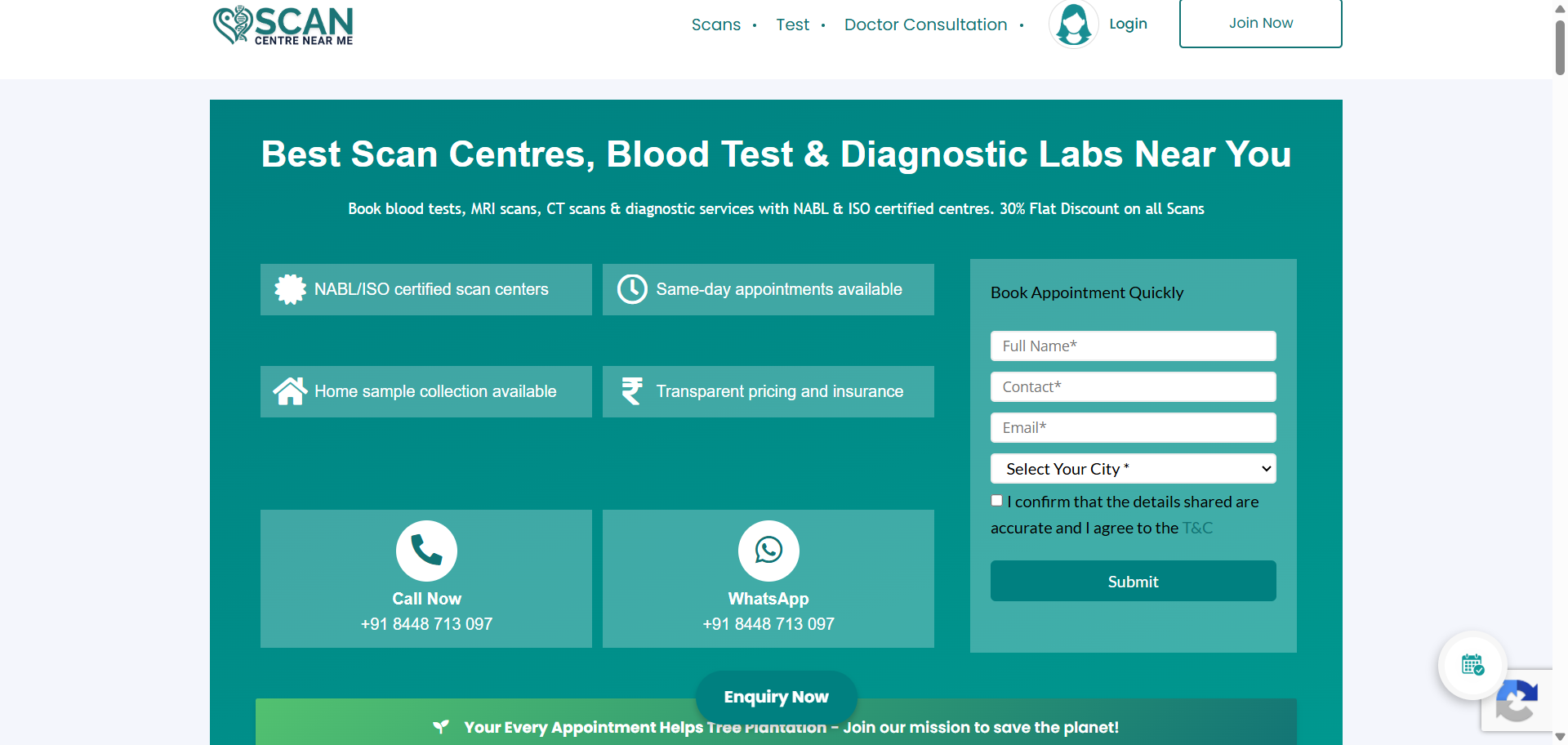
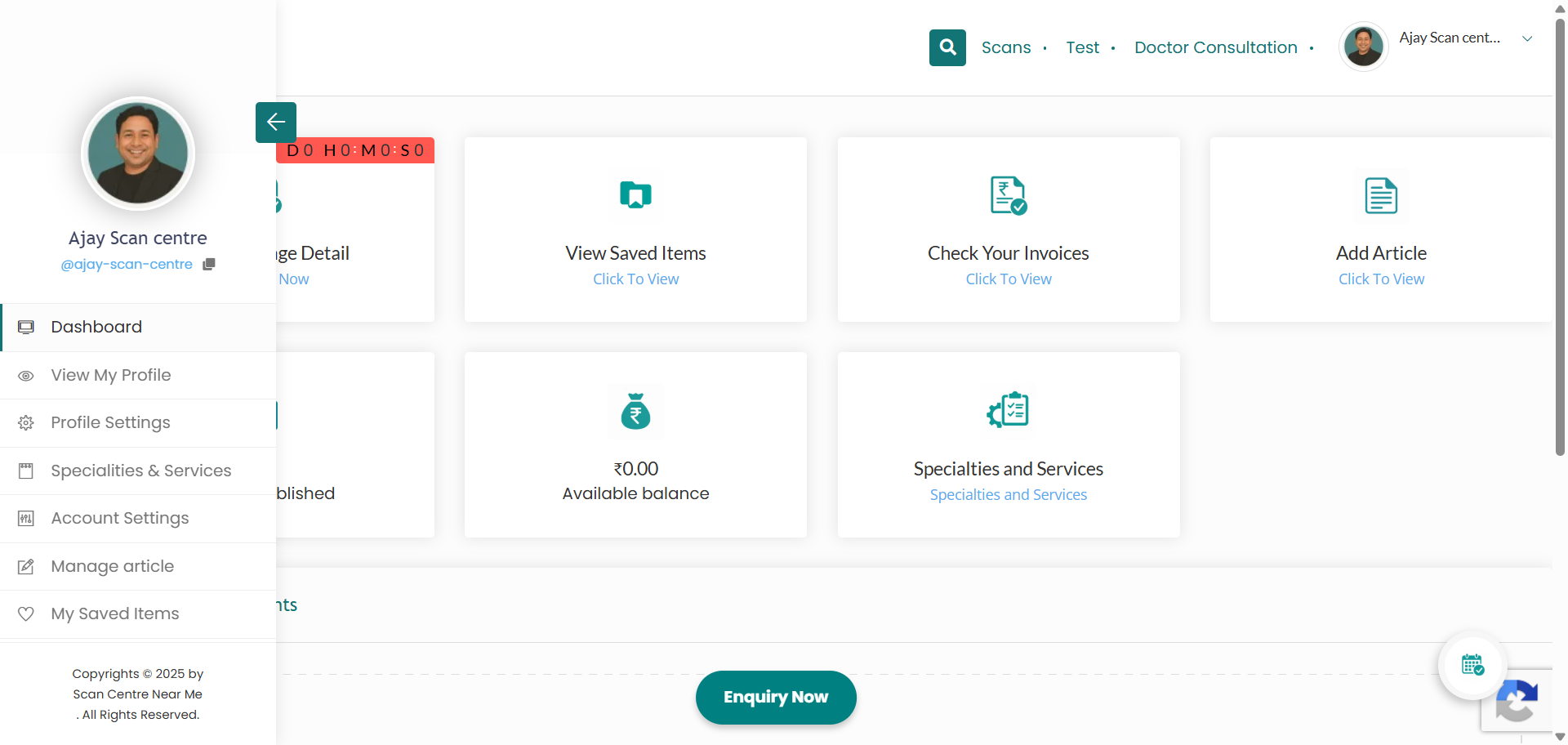
5. What We Deliberately Did Not Do
6. Critical Buyer Questions Answered
“How do I know whether to build custom software from scratch or leverage an existing framework?”
If the functionality is commodity (user login, standard CRUD, basic payment routing), leverage proven battle-tested frameworks. If the functionality is your core competitive moat (unique marketplace taxonomy, proprietary vendor workflows), custom engineer it.
“Can a multi-city marketplace scale without burning CapEx on redundant software builds?”
Yes. By decoupling location taxonomies and vendor role-based permissions from core engine logic, new cities and diagnostic categories can be onboarded via database configuration rather than new software deployments.
7. Frequently Asked Questions
What is smart framework leverage in marketplace engineering?
Smart framework leverage involves utilizing existing open-source or commercial foundation frameworks for commodity software requirements (auth, session management, database migrations) while reserving engineering budgets exclusively for proprietary business workflows.
How do multi-vendor marketplaces handle data privacy between competing vendors?
Role-Based Access Control (RBAC) and row-level database tenancy isolation ensure diagnostic centers only access their own patient appointments, reporting uploads, and revenue metrics.
Technology Due Diligence & Vendor Evaluation
Learn how DigiXPro evaluates tech stack choices, prevents vendor lock-in, and optimizes CapEx spend.
“Competitive advantage should be custom built. Commodity infrastructure should be reused.”
Smart software engineering is knowing when to write code from scratch, and when to heavily leverage existing frameworks to preserve runway.
Let's audit your architecture and optimize your CapEx spend before writing code.
Book Architecture Call